Building Scalable Frontend Architecture in 2024
Lessons learned from architecting frontend systems that grow with your team and product. From component design to state management strategies.
After years of building frontend systems, I've learned that scalability isn't just about performance—it's about maintainability, team velocity, and the ability to evolve without rewrites.
The Foundation: Component Architecture
The best architectures I've built share a common trait: they make the right thing easy and the wrong thing hard. This starts with how you structure components.
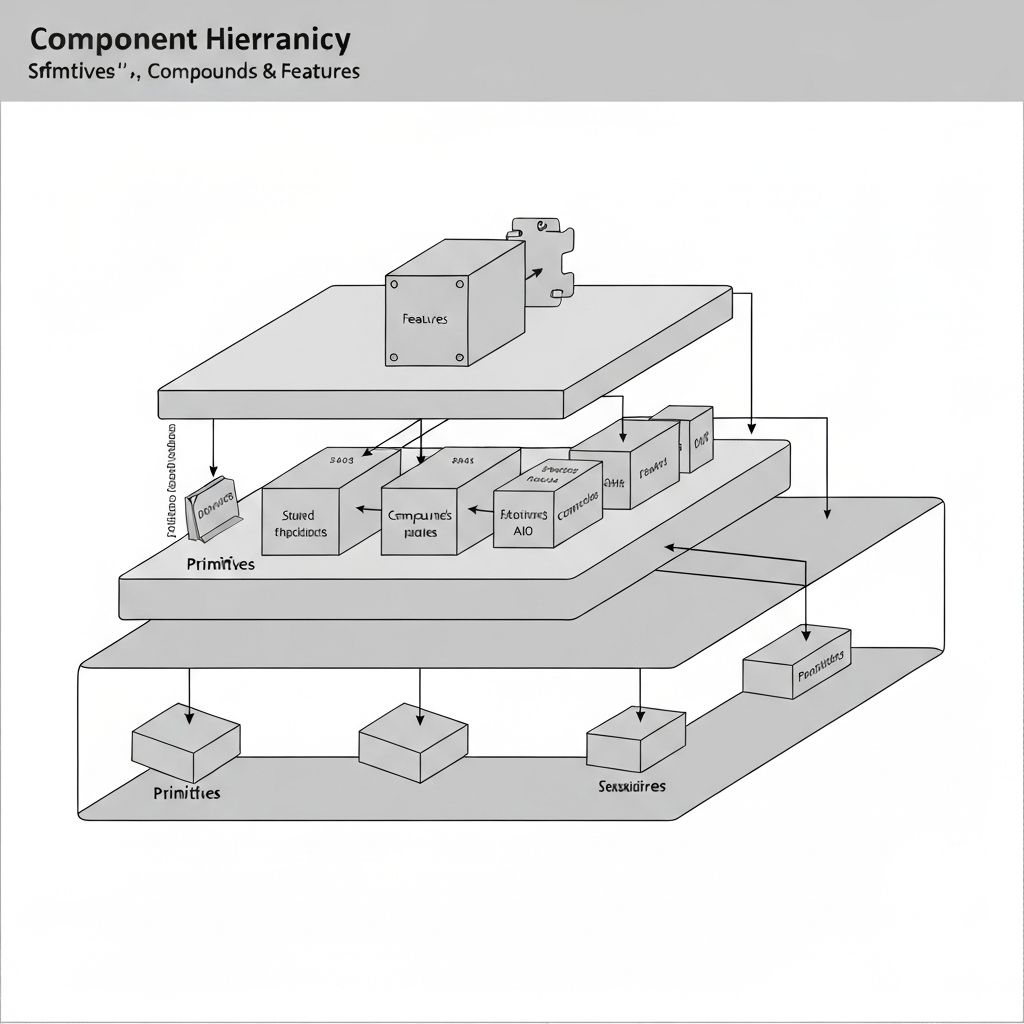
I've settled on a three-tier approach: primitives (buttons, inputs), compounds (cards, forms), and features (complete UI blocks). Each tier has clear rules about what it can import and how it manages state.
State Management That Scales
The biggest mistake teams make is reaching for global state too early. Most state is local. Start there, and only lift state when you have a proven need.
For global state, I've found that separating server state (what the API gives you) from client state (UI preferences, form drafts) dramatically reduces complexity. Tools like React Query or SWR handle server state brilliantly.
"The best code is no code at all. The second best is code that's easy to delete."
The Testing Philosophy
Test behavior, not implementation. If a user can break it, test it. If only a developer can break it, code review catches it. This simple heuristic has saved countless hours.
Key Takeaways
- Design for deletion—code should be easy to remove
- Prefer composition over configuration
- Document decisions, not just code
- Optimize for change, not perfection
Topics: