Design Systems That Actually Scale
What I've learned building and maintaining design systems across multiple products and teams. Spoiler: it's mostly about people.
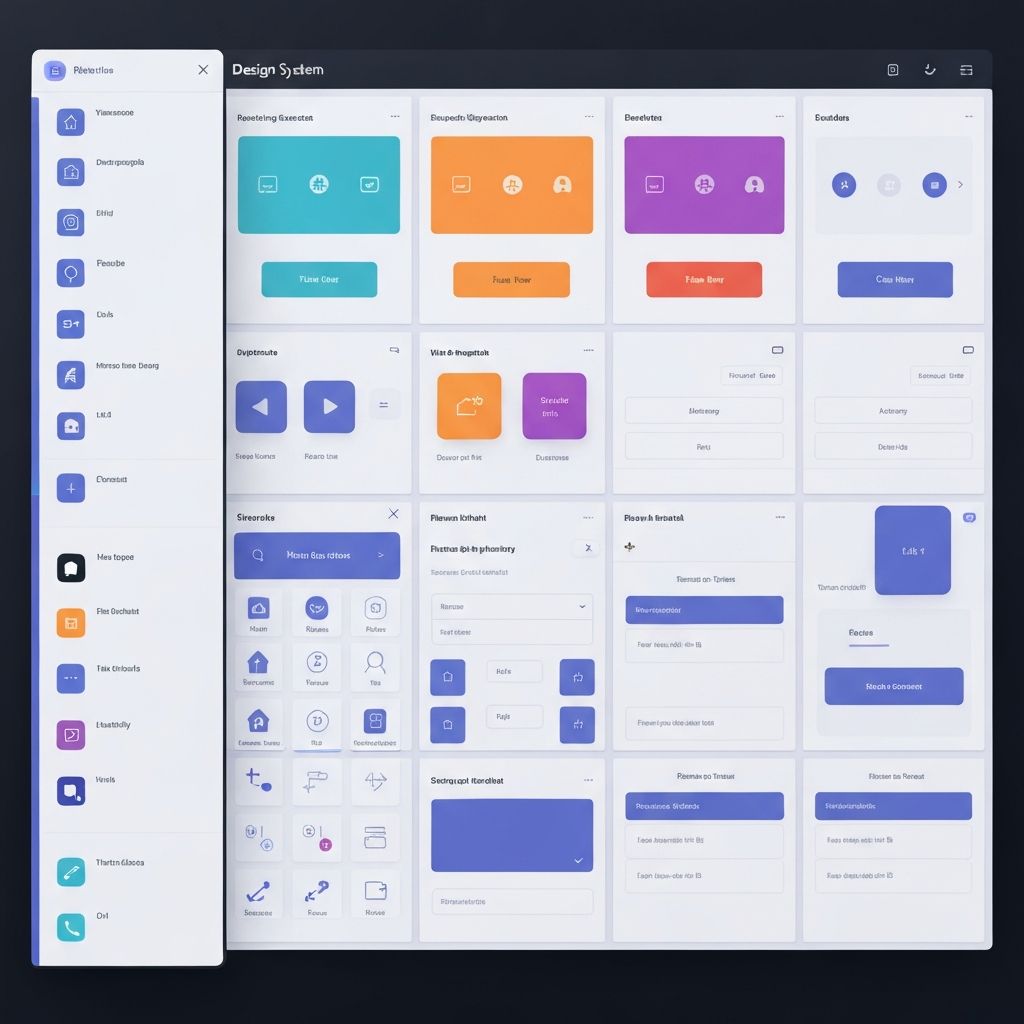
I've built three design systems from scratch. The first was a beautiful failure. The second was a functional mess. The third actually worked. Here's what changed.
The Technical Foundation
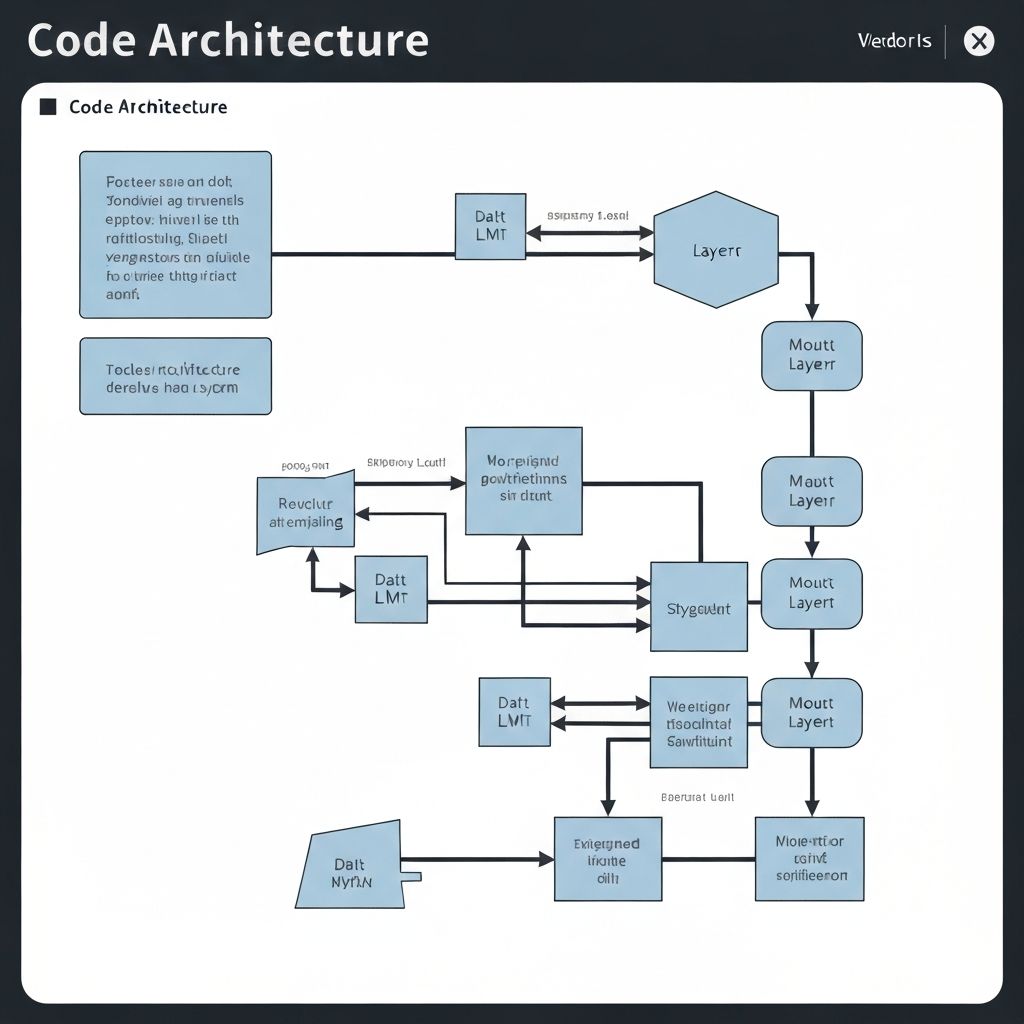
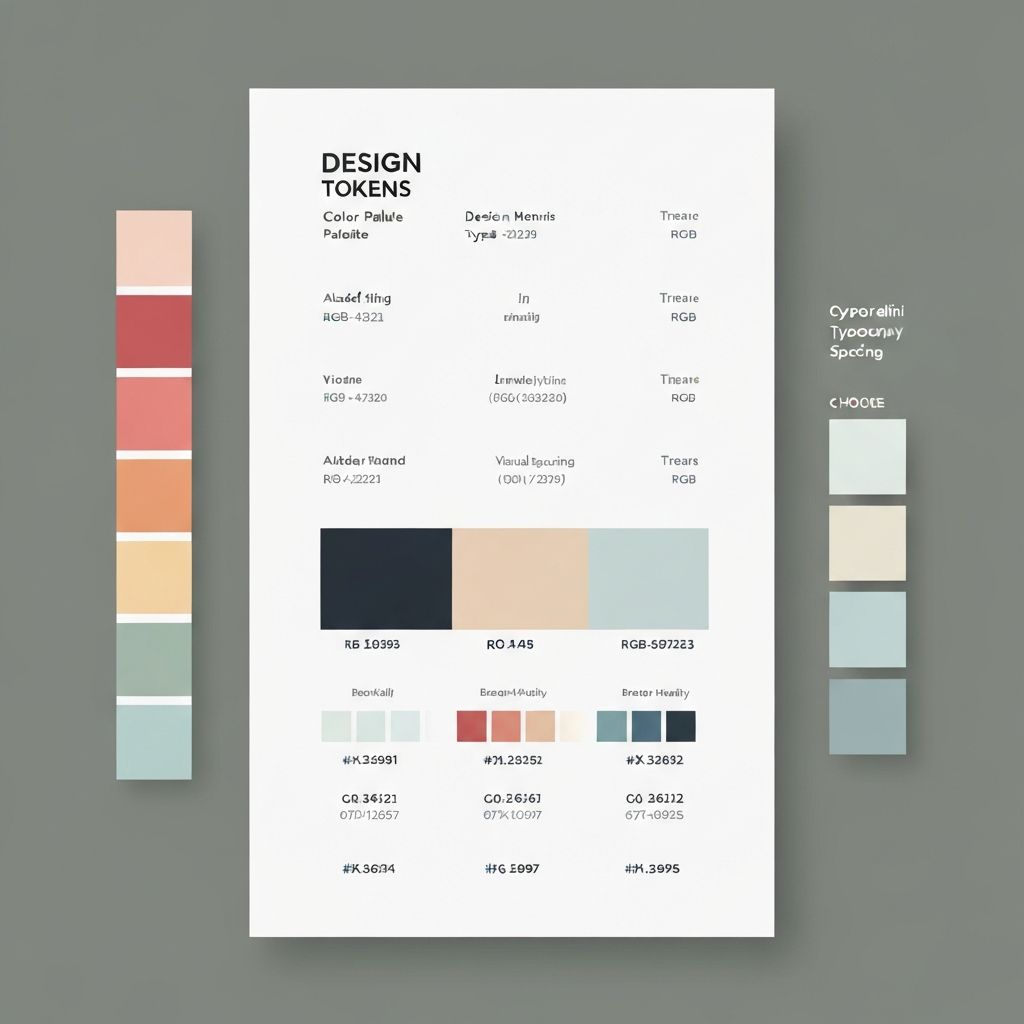
Tokens, components, patterns—the technical architecture matters, but it's table stakes. Every design system tutorial covers this. What they miss is harder.
What Actually Matters
Adoption over perfection. A mediocre system that people use beats a perfect system that sits in a repo. Ship early, iterate based on real usage.
Documentation as product. If engineers can't find it, it doesn't exist. Invest in search, examples, and clear explanations of when to use what.
Governance without bureaucracy. You need rules, but rules need escape hatches. Make it easy to propose changes and fast to get decisions.
The People Problem
Design systems fail for human reasons: designers who feel constrained, engineers who find workarounds easier, stakeholders who want "something different."
The solution is involvement. Let people contribute. Celebrate usage. Make the system feel like shared ownership, not imposed constraint.
"A design system is a product, and your team is the customer."
Measuring Success
- Adoption rate—what percentage of new features use the system?
- Contribution rate—are people outside the core team participating?
- Satisfaction scores—do users actually like working with it?
- Time to implement—is it actually faster?
Topics: